
Pet Services Franchises in 2026: Growth Trends, Market Data & Investment Outlook

The U.S. pet services market is entering 2026 with strong momentum.
Pet ownership remains widespread. Consumer demand is evolving. And pet owners continue to prioritize professional care, even when household budgets tighten.
For aspiring entrepreneurs, this creates a compelling market for pet services franchises.
The opportunity is broad. You can explore mobile grooming, dog training, pet waste removal, daycare, boarding, wellness, and bundled care models. Investment levels range from under $50,000 to more than $350,000.
Are you considering a business that combines recurring revenue with strong customer loyalty? Pet services franchises deserve a closer look.
The Pet Industry Will Approach $165 Billion in 2026
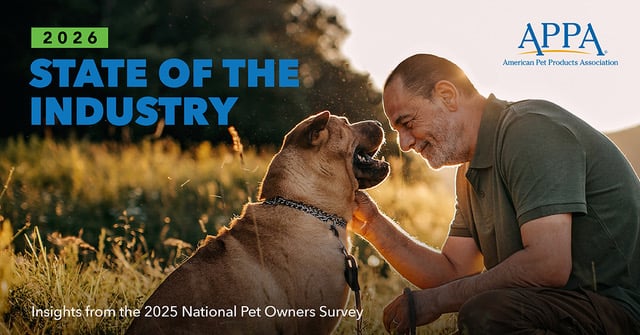
According to the American Pet Products Association (APPA), U.S. pet industry expenditures reached $158 billion in 2025.
APPA projects the market to reach approximately $165 billion in 2026.
That is more than a headline number. It reflects a large and durable customer base.
Approximately 95 million U.S. households own at least one pet. Dog ownership reached 53% of households in 2025. Cat ownership reached 39%.
Pet owners are also becoming more intentional with their spending. They may compare prices more carefully. But they continue to spend on essential care, safety, convenience, and wellness.
APPA’s “Other Services” category includes grooming, boarding, training, pet sitting, pet walking, and insurance. That category generated approximately $14.3 billion in 2025, with 2026 projections approaching $15 billion. Depending on how the market is defined, core pet services estimates generally fall in the $14 billion to $14.3 billion range.
Pet Services Remain the Fastest-Growing Segment
Products and food represent major parts of the pet economy. However, professional services are attracting increasing attention.
Grooming. Daycare. Boarding. Training. Walking. Sitting. Waste removal.
These services solve recurring problems for busy pet owners.
The fastest-growing subsegments are generally expanding at roughly 8% to 10% annually, particularly daycare and boarding. Grand View Research estimates the U.S. pet daycare market will grow at approximately 8.78% annually from 2025 through 2030.
The broader pet grooming and boarding industry is also substantial. IBISWorld estimates the U.S. pet grooming and boarding industry at approximately $11.3 billion in 2026.
The exact growth rate depends on the category. Broad grooming and boarding revenue growth may be slower than high-growth daycare subsegments. But the direction is clear.
More households own pets. More owners treat pets as family. More consumers want professional support.
Humanization and Premiumization Are Driving Demand
Pet owners are not simply buying services. They are buying peace of mind.
The humanization trend continues to influence the industry. Dogs and cats are increasingly viewed as family members. Owners want better hygiene, enrichment, training, nutrition, and socialization.
Premiumization is also expanding.
Examples include:
- One-on-one mobile grooming
- Specialty shampoos and coat treatments
- Structured daycare programs
- Enrichment and behavior training
- Wellness-focused grooming memberships
- Pickup and drop-off services
- Premium boarding environments
- Bundled grooming, daycare, and training packages
Millennials and Gen Z are important growth drivers. These consumers are comfortable using subscription services. They value convenience. They are also willing to spend on services that fit their schedules and improve their pets’ quality of life.
Gen X is contributing to growth as well. APPA reports that Gen X pet ownership expanded across multiple species in 2025.
This is not a single-generation trend. It is a broad shift in household behavior.
Recurring Revenue Models Are Becoming More Important
One-time transactions can build a business. Recurring relationships can make it stronger.
Many pet services franchises are developing recurring revenue through:
- Monthly daycare memberships
- Weekly or biweekly waste removal
- Grooming plans
- Boarding packages
- Training programs
- Multi-service memberships
- Subscription-based wellness visits
Bundled services can also increase customer lifetime value. A daycare client may add grooming. A grooming customer may purchase training. A boarding client may add a bath before pickup.
This creates more revenue opportunities without requiring a completely new customer each time.
For a first time franchise buyer, recurring revenue is an important concept to understand. It does not guarantee profitability. But it can improve predictability and customer retention when the service quality is strong.
Mobile and Home-Based Models Lower the Real Estate Barrier
Not every pet services franchise requires a large facility.
Mobile grooming models bring the service directly to the customer. Home-based and route-based concepts can operate with less real estate. Training companies may use customers’ homes, rented spaces, or flexible facilities.
These models can reduce:
- Build-out costs
- Long-term lease obligations
- Facility maintenance
- Fixed overhead
- Time required to reach market
Aussie Pet Mobile is one example listed on FranCentral. The company provides one-on-one dog and cat grooming in customized mobile units. FranCentral lists a minimum investment of $178,845 and 152 franchised locations.
Mobile models have tradeoffs. Capacity may be limited by the number of vans or service providers. Vehicle maintenance matters. Territory density matters. Recruiting groomers remains critical.
Still, the model can offer a practical entry point for entrepreneurs who want to build gradually.

Facility-Based Concepts Offer More Service Capacity
Daycare, boarding, and multi-service facilities require more capital. They also provide room for more customers, services, and employees.
A facility can combine:
- Daycare
- Overnight boarding
- Grooming
- Training
- Retail products
- Enrichment activities
- Membership packages
The model may support stronger revenue diversification. It can also create more operational complexity.
You must evaluate zoning, site selection, permits, insurance, safety procedures, cleaning requirements, and staffing. A beautiful facility will not solve a weak market or poor operating plan.
Hounds Town USA is one facility-based opportunity featured by FranCentral. The listing shows a minimum investment of $358,900 and 129 locations.
Investment Levels Range From Lean to Facility-Heavy
FranCentral’s pet care franchise category includes opportunities across several investment levels.
The figures below are minimum investments shown in current FranCentral listings. They are not total financial projections. Your actual costs may vary based on territory, real estate, equipment, working capital, financing, and other factors.
| Franchise opportunity | Minimum investment | Locations listed |
|---|---|---|
| Make Your Dog Epic | $45,000 | 4 |
| DoodyCalls | $64,000 | 60 |
| Vanity Fur | $73,685 | 1 |
| Pet Butler | $79,000 | 41 |
| Dog Training Elite | $82,800 | 58 |
| BarkSuds | $150,000 | 8 |
| Woofie’s Pet Ventures | $160,123 | 57 |
| Aussie Pet Mobile | $178,845 | 152 |
| Zoom Room | $271,660 | 123 |
| Club Cat | $302,660 | 8 |
| Playful Pack Dog Daycare | $336,250 | 4 |
| Hounds Town USA | $358,900 | 129 |
What does this range tell you?
You can find route-based, mobile, and training concepts below $100,000. You can also explore larger grooming, daycare, boarding, and specialty facilities requiring more than $300,000.
The right choice depends on your capital, operating goals, market, and desired owner involvement.

Labor Is the Main Operational Challenge
Pet services can be attractive. They are not effortless.
Labor is often the largest operating challenge. Groomers, trainers, kennel attendants, drivers, and managers directly affect customer satisfaction.
Industry planning benchmarks commonly place labor at approximately 35% to 45% of revenue, depending on the concept and service mix.
That range can pressure margins. Staffing shortages can limit capacity. Turnover can disrupt customer relationships. Poor training can create safety and reputation risks.
Strong operators focus on:
- Recruiting and retaining reliable staff
- Matching schedules to demand
- Tracking revenue per labor hour
- Building clear safety procedures
- Cross-training team members
- Pricing services correctly
- Using technology for scheduling and customer communication
- Creating a consistent customer experience
A franchise system may provide training, technology, marketing, and operating support. But you still need to lead the local team.
Pet Services Have Shown Recession Resistance
Pet spending is often described as recession-resistant. The historical record supports that reputation, with an important qualification: resistant does not mean immune.
Pet spending grew through the 2001 recession, the 2008–2009 financial crisis, and the 2020 COVID-era downturn. Owners may trade down, reduce extras, or search for value. But they tend to protect essential care.
Recurring services may provide additional stability. Weekly waste removal, regular grooming, and daycare memberships are built around ongoing needs.
The strongest concepts will likely combine dependable service with clear value.
How to Evaluate Pet Franchise Opportunities in 2026
If you are learning how to buy a franchise, begin with the business model. Do not start with the logo.
Ask:
- Is demand strong in my local market?
- Does the territory have enough households and working pet owners?
- How much working capital will I need?
- Is the model mobile, home-based, or facility-based?
- How difficult will recruiting be?
- Does the concept generate recurring revenue?
- What support does the franchisor provide?
- What do current and former franchisees say?
- What does the Franchise Disclosure Document reveal?
- Does the opportunity fit my financial and lifestyle goals?
Review the FDD with qualified legal and financial professionals. Pay close attention to Item 7, Item 19, territory protections, royalties, marketing fees, renewal terms, and required purchases.
These are essential franchise ownership tips for any first time franchise buyer.
Your Next Step Is Local Market Research
Are you ready to explore pet services franchises with a clearer strategy?
FranCentral can help you compare franchise opportunities across investment levels and service categories. You can also connect with a local franchise consultant who understands your market.
A local franchise consultant can help you narrow the field based on:
- Available capital
- Local demand
- Territory availability
- Owner involvement
- Growth goals
- Preferred service model
Explore the FranCentral pet care franchise marketplace and identify opportunities worth deeper review.
Stay in the know about pet services franchises, franchise education, and hot new franchises entering the market. Your next ownership opportunity may be closer than you think.